3-3-3 Rule for New Kittens: 3 Days, Weeks, Months
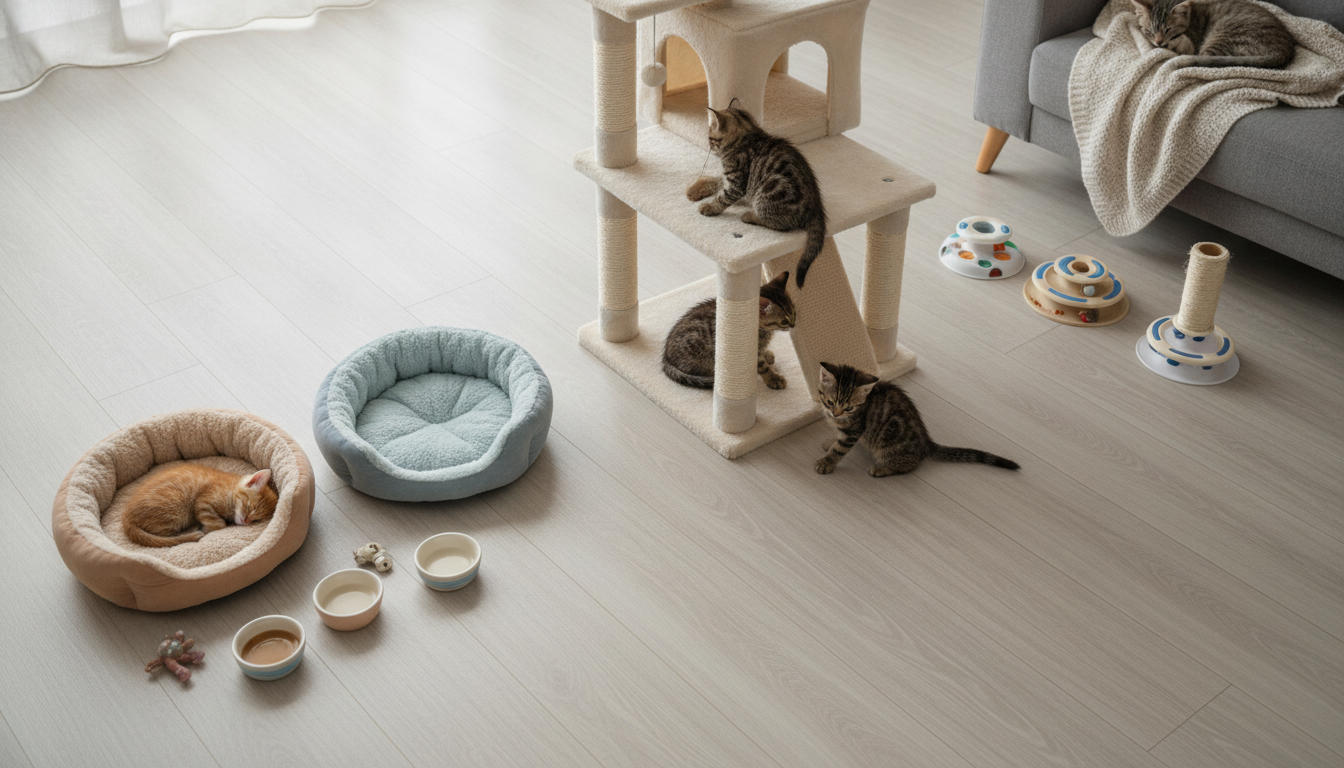
What is the 3 3 3 rule for new kittens?
The 3-3-3 rule is a simple timeline that helps set expectations for how a newly adopted kitten adjusts to a new home: about 3 days to decompress, 3 weeks to start learning routines, and 3 months to feel fully settled. It’s not a strict schedule—some kittens move faster, while shy or previously stressed kittens may take longer—but it’s a useful way to stay patient and consistent during the transition.
How the 3-3-3 timeline typically looks
First 3 days: Decompression and safety
Many kittens arrive overwhelmed by new sounds, smells, and people. During these first days, expect hiding, cautious eating, or extra clinginess. Set up a small “safe room” with a litter box, food and water, a cozy bed, and a few toys. Keep the environment calm, let the kitten approach at their own pace, and avoid too many visitors or handling if they seem uncomfortable.
First 3 weeks: Routine and confidence-building
By the next few weeks, most kittens begin to explore more, play openly, and learn household patterns. This is a great time to establish consistent feeding times, reinforce litter habits, and introduce gentle handling (paws, ears, brushing) in short, positive sessions. If you have other pets, use slow introductions—scent swapping, brief supervised meetings, and separate spaces as needed.
First 3 months: Bonding and full adjustment
Over a few months, a kitten usually shows their fuller personality and becomes more comfortable with everyday life. You’ll often see stronger bonding, more predictable behavior, and a clearer sense of what enrichment they enjoy (wand toys, climbing, window perches). Continue kitten-proofing, provide scratching options, and schedule or follow up on vet care, vaccines, and parasite prevention.
For a deeper walkthrough and practical setup tips, visit the full guide on the 3-3-3 rule for new kittens.
FAQ
How do you set up a safe room for a new kitten?
Choose a quiet room and place the litter box away from food and water, add a hiding spot, soft bedding, and a few toys. Keep doors closed and provide vertical options like a small cat tree or sturdy chair so the kitten can observe from a safe height.












Leave a comment