Eco-Friendly Travel Checklist: Zero-Waste Packing Tips
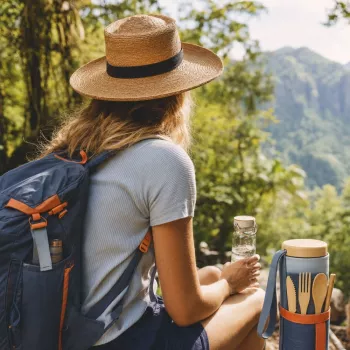
Eco-Friendly Traveler Checklist: Zero-Waste Packing and Simple Green Travel Habits
Sustainable travel gets easier when every trip starts with a clear packing plan and a few low-effort habits. This guide breaks down a practical eco-friendly traveler checklist—what to pack, what to skip, and how to reduce waste on the move without sacrificing comfort or convenience.
What “eco-friendly travel” looks like in real life
Eco-friendly travel doesn’t require perfection—it rewards consistency. The biggest repeat impacts usually come from what gets used (and tossed) every day: single-use drink bottles, takeout packaging, frequent laundry, and energy or water waste in accommodations.
A simple rule that works almost anywhere is “reusable by default.” Refill when you can, rewear when it’s still clean, repair when something breaks, and borrow or rent when it prevents buying something new for a one-time need. Choosing durable, multipurpose items is often more helpful than adding lots of niche “green” gear—especially if it’s hard to clean or you won’t reach for it on the road.
Zero-waste packing list essentials (by category)
Start with the reusables that replace the most disposables. Then keep the kit small enough that it actually makes every trip.
Hydration and hot drinks
- Reusable water bottle (the highest-impact swap for most travelers)
- Optional insulated cup for coffee/tea
- Small cleaning brush if your bottle or straw needs it
Food on the go
- Reusable cutlery (or a compact spork)
- A compact container for leftovers or takeout
- Cloth napkin or bandana that doubles as a wrap
Shopping and overflow
- Packable tote bag
- Small produce bag
- Lightweight zip pouch for snacks
Bathroom swaps
- Solid bar soap/shampoo where suitable (less plastic, fewer leaks)
- Refillable mini bottles for liquids you truly need
- Bamboo or replaceable-head toothbrush
- Safety razor (if preferred)
Laundry and clothing care
- Travel clothesline
- Stain remover stick
- Small bag to separate worn items
Tech and documents
- Rechargeable batteries and/or a power bank
- Offline tickets/itineraries saved on your phone
- Document sleeve to reduce extra printing
Waste management
- Tiny “micro-trash” bag for receipts/wrappers until proper disposal is available
Quick checklist: pack once, reuse often
| Need | Reusable option | Why it helps | Pack tip |
|---|---|---|---|
| Water on the move | Refillable bottle | Reduces bottled water purchases | Clip to bag or store empty through security |
| Takeout meals | Container + cutlery | Avoids disposable clamshells and forks | Choose nesting or collapsible pieces |
| Coffee/tea | Insulated cup | Cuts down on single-use cups/lids | Keep accessible in an outer pocket |
| Shopping | Packable tote + small produce bag | Prevents plastic bags | Store in daypack so it’s always available |
| Toiletries | Bars/refillables | Less plastic and fewer travel minis | Use a ventilated tin or soap saver bag |
Low-waste toiletries that still travel well
Toiletries are where waste and spill risk pile up fast. Solid products (soap, shampoo bars, conditioner bars) typically cut packaging and make liquids restrictions simpler. The tradeoff is that they need a little airflow—let bars dry between uses when possible, and store them in a ventilated tin or soap saver bag.
If you prefer liquids, refillable minis work best when they’re clearly labeled and packed in a simple zip bag so you can grab everything in one step. For carry-on travel, follow current limits and screening guidance from the U.S. Transportation Security Administration (TSA) liquids rule.
Finally, skip “just in case” duplicates. One multi-use item can replace several bottles—for example, a gentle soap that works for body and occasional sink-washing. When you’re outdoors, choose biodegradable options only where appropriate and follow local guidance for disposing of greywater.
Clothing strategy: pack lighter, wash smarter
Green travel habits that matter most during the trip
- Water and energy: Turn off lights and A/C when leaving, reuse towels when offered, and take shorter showers—especially in water-scarce regions.
- Food choices: Eat local and seasonal when possible, and reduce food waste by ordering realistic portions and carrying snacks you’ll actually finish.
- Transit: Use public transport, walking, or cycling for short distances. When feasible, consider trains or buses for certain routes.
- Respect nature and culture: Follow the Leave No Trace Seven Principles outdoors and support local businesses and community-led tours. For a broader view of sustainable tourism, see the UN Environment Programme’s sustainable tourism overview.
A printable-style checklist for smoother, lower-waste trips
Digital download: Eco-Friendly Traveler Checklist
If you want a ready-to-use list you can reuse for every destination, the Eco-Friendly Traveler Checklist digital download is designed for quick packing decisions and low-waste habits on the road. Save it once, duplicate it per season, and tailor it to your travel style.
Traveling with an animal companion? Pair your packing plan with the Must-Know Pet First-Aid Cheat Sheet so you’re prepared without buying unnecessary single-use items in a pinch.
FAQ
What are the easiest zero-waste swaps for travel?
Start with a refillable water bottle, a packable tote, and a container plus cutlery—these replace the most common disposables quickly. Add bar toiletries or refillable minis, and carry a small trash pouch for “micro-waste” until you find proper bins. The best swaps are the ones you’ll actually use every day.
How can toiletries stay eco-friendly while still meeting carry-on rules?
Solid bars reduce liquids and leak risk, which simplifies carry-on packing. For liquids, use labeled refillable bottles within the allowed size limits and keep them together in a clear bag for screening. Multi-use products help you pack fewer containers overall.
How do you pack sustainably without overpacking reusables?
Choose multipurpose items and prioritize the reusables that replace frequent single-use waste. Keep clothing to a capsule wardrobe and use a simple “1-in-1-out” rule if you’re adding something new. Focus on items that are easy to clean on the road so they earn their space.











Leave a comment