Healthiest Kitten Food: What to Choose & How to Feed
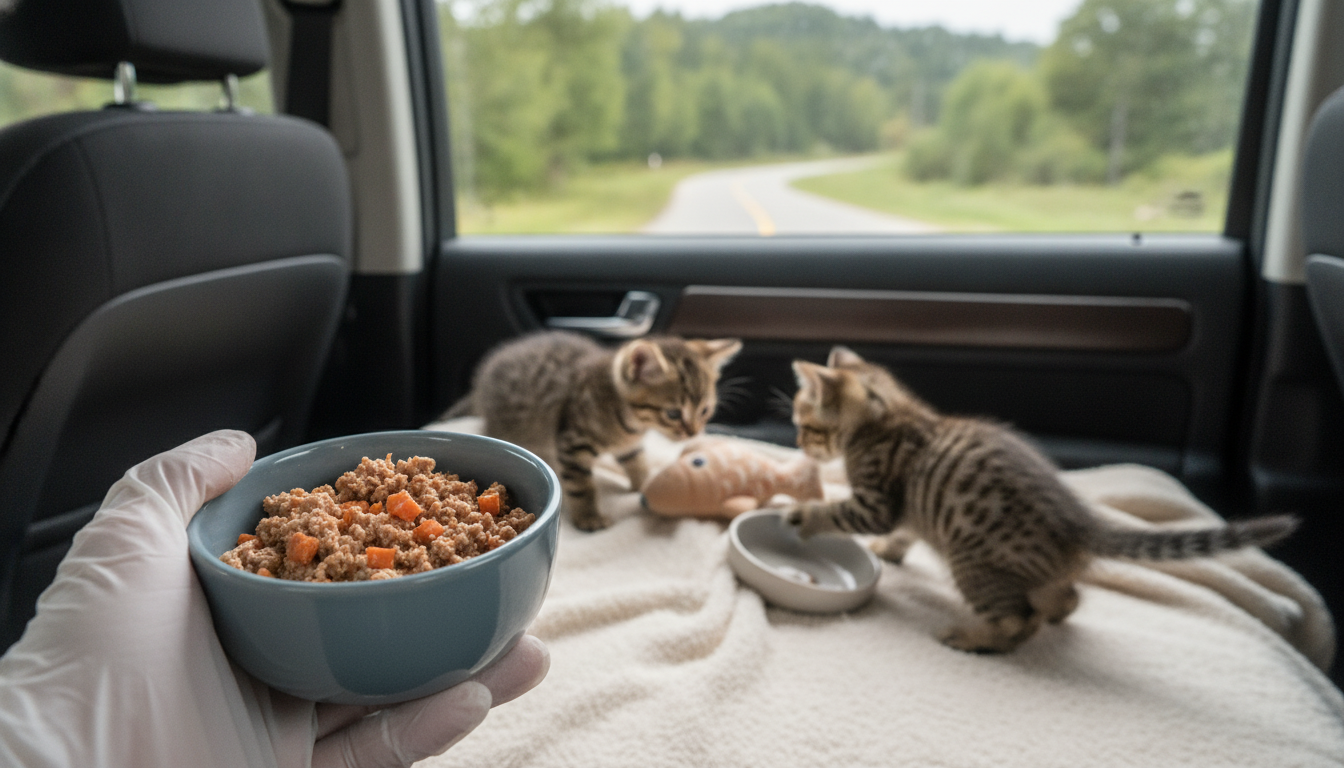
What is the healthiest food to feed a kitten?
The healthiest food for a kitten is a complete and balanced kitten-specific diet that provides extra protein, fat, calories, and essential nutrients for fast growth. Look for a commercial wet food, dry food, or a combination labeled “complete and balanced” for “growth” or “all life stages” (kitten diets are typically the most targeted). A quality kitten formula supports developing muscles, bones, brain, and immune system—needs that adult cat food usually can’t meet as well.
What to look for in a healthy kitten food
Choose a food made for kittens (or “all life stages”) from a reputable brand, with animal-based protein as a primary ingredient. Key nutrition points include:
- High-quality protein to fuel growth and tissue development.
- Appropriate fat and calories for energy and healthy weight gain.
- DHA (often from fish oil) to support brain and vision development.
- Balanced calcium and phosphorus for strong bones and teeth.
- Taurine (essential for cats) for heart and eye health.
Wet vs. dry food for kittens
Wet food can be especially helpful for hydration and is often easier for young kittens to eat. Dry food is convenient, calorie-dense, and can be left out for grazing if your kitten does well with it. Many kittens thrive on a mix: wet meals for moisture plus measured dry food for snacks, as long as total daily calories stay appropriate.
Feeding tips that matter as much as the food
Kittens do best with multiple small meals per day because their stomachs are small and their energy needs are high. Use gradual transitions when switching foods (over 7–10 days) to reduce stomach upset. Always provide fresh water, and avoid feeding cow’s milk, which commonly causes digestive issues in cats.
When to talk to a veterinarian
If your kitten has persistent diarrhea, vomiting, poor appetite, slow weight gain, or a potbellied look with low energy, get veterinary guidance. Parasites and food sensitivities can affect growth and may require specific diets or treatment.
For more detailed guidance on choosing and serving kitten food, visit the main article.
FAQ
How often should a kitten eat each day?
Most kittens do well with 3–4 meals per day, gradually moving toward fewer meals as they approach adulthood. Very young kittens may need even more frequent feeding based on age and veterinary advice.











Leave a comment